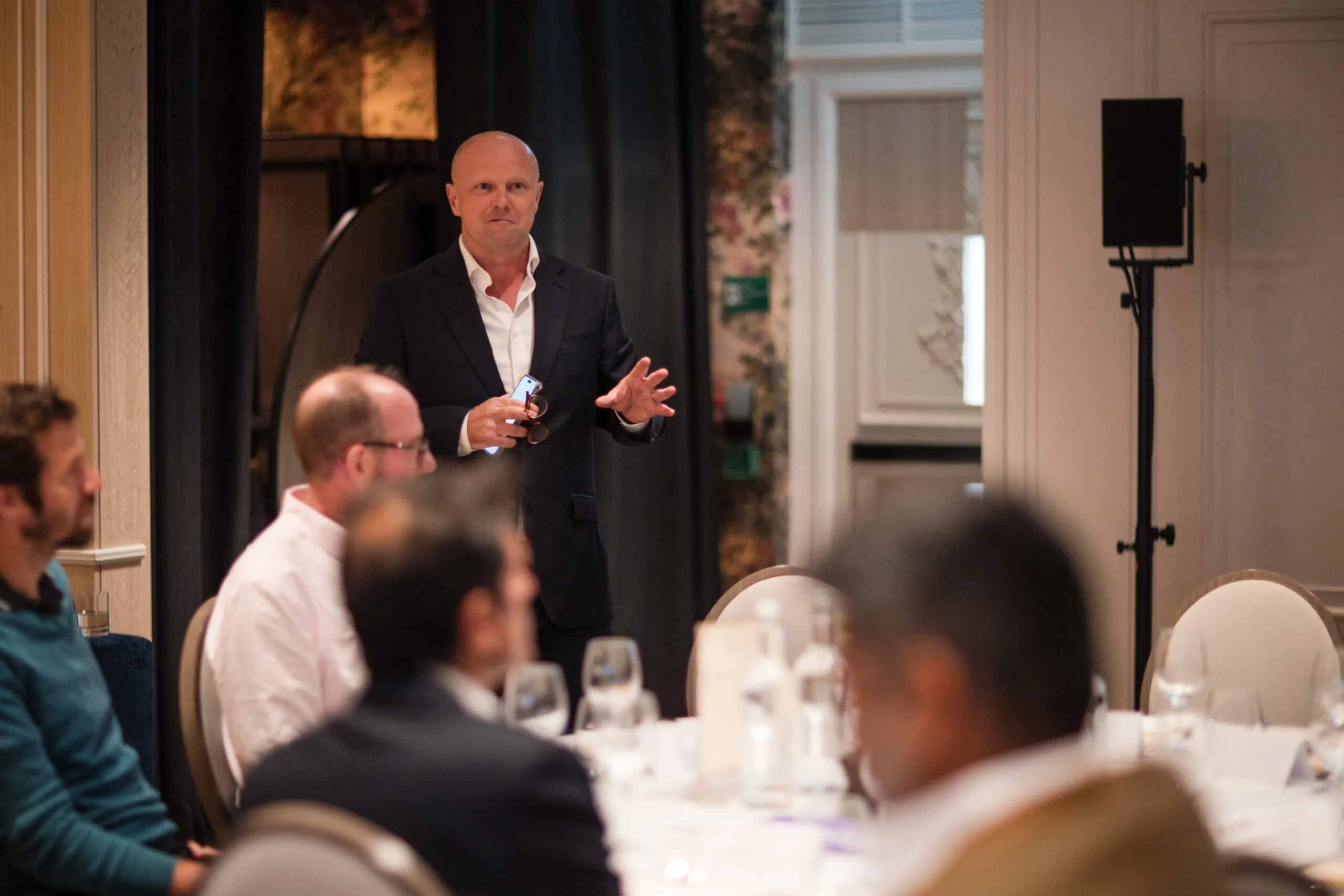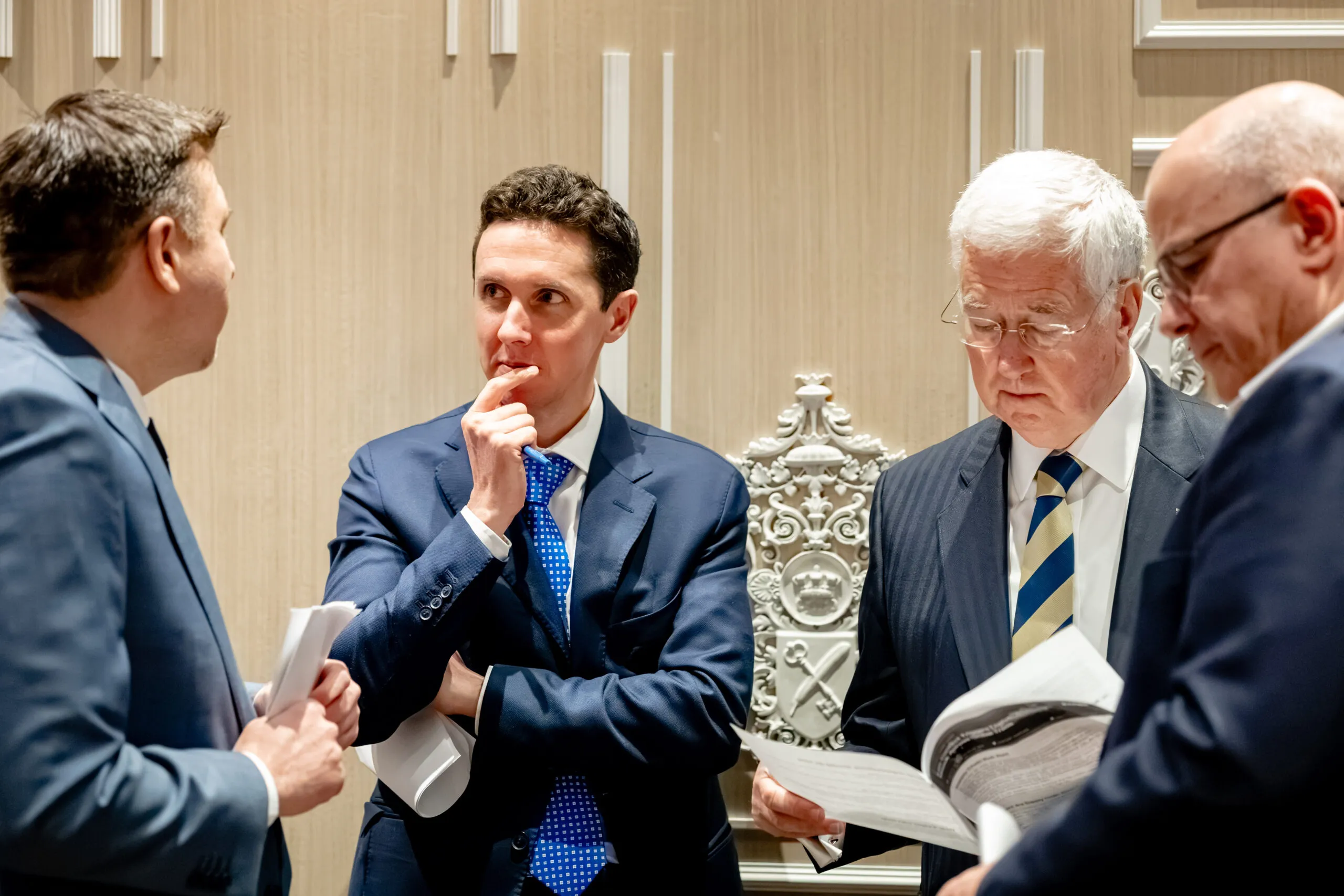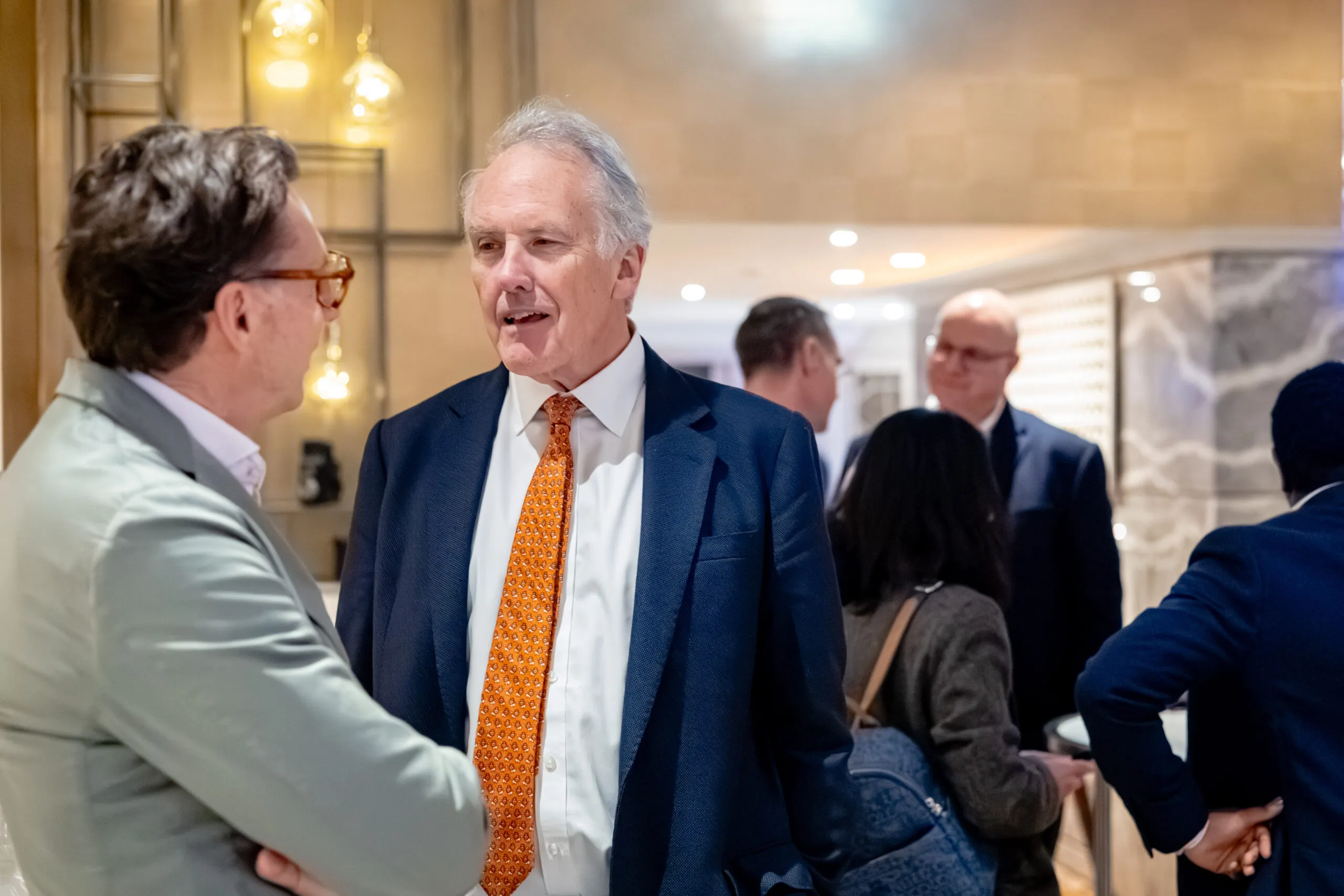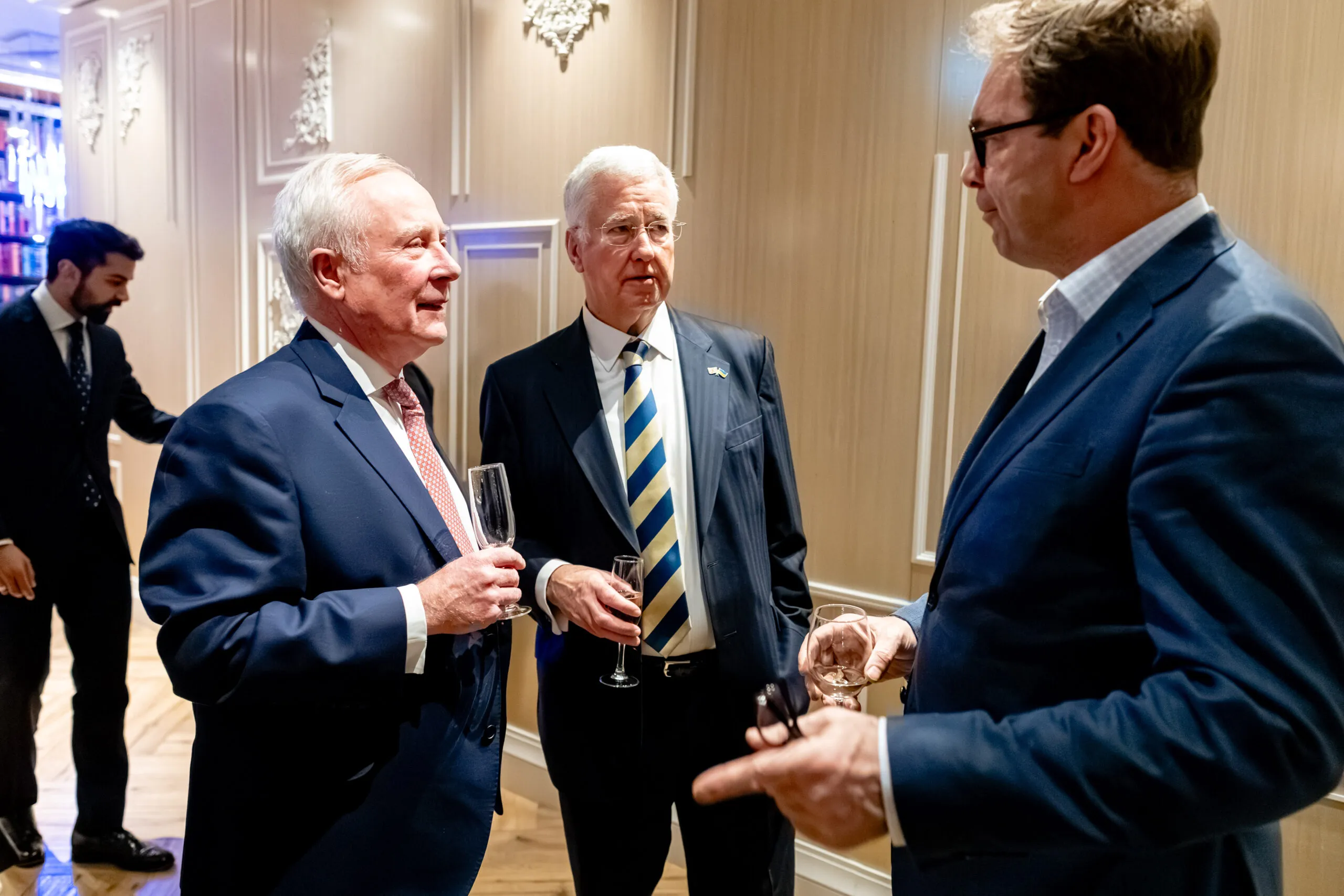
Exiger Executive Forum
Elevating the Conversation

Exiger Executive Forum

A global think tank bringing together elite voices from strategy, policy, technology and business to equip leaders with the frameworks needed to navigate the multipolar era.

Next Event

The Rise of Autonomous Supply Chains

Wednesday 18th November 2026, 6:30 PM GMT

Great Scotland Yard Hotel, London SW1A 2HN

2026

Upcoming Forums

The Rise of Autonomous Supply Chains

Wednesday 18 November 2026

6:30 PM GMT

Great Scotland Yard Hotel, London SW1A 2HN

Supply chains are entering a new phase, one where AI does more than surface insights. It recommends actions, executes workflows, and increasingly operates alongside human decision-makers. The shift toward autonomy promises speed and scale, but it also introduces new risks, new blind spots, and new responsibilities.

‍

This forum explores what autonomous supply chains actually mean in practice. We will examine the cognitive dissonance leaders face when delegating judgment to machines, the emerging culture of rapid AI development (“vibe coding”), and the implications of AI-generated courses of action in high-stakes environments. We will also address the security and cyber risks that accompany automation, and the practical reality of the Pareto principle, where AI completes 80% of tasks effectively, but the remaining 20% still demands human oversight.

‍

For supply chain, procurement, technology, and risk leaders, this discussion will focus on how to design autonomy deliberately balancing speed with control, augmentation with accountability, and innovation with defensibility.


Request a seat
Exiger Executive Forum at Great Scotland Yard Hotel
Archive

Past Forums

Explore insights from previous Exiger Executive Forums, featuring coverage by CPO Strategy

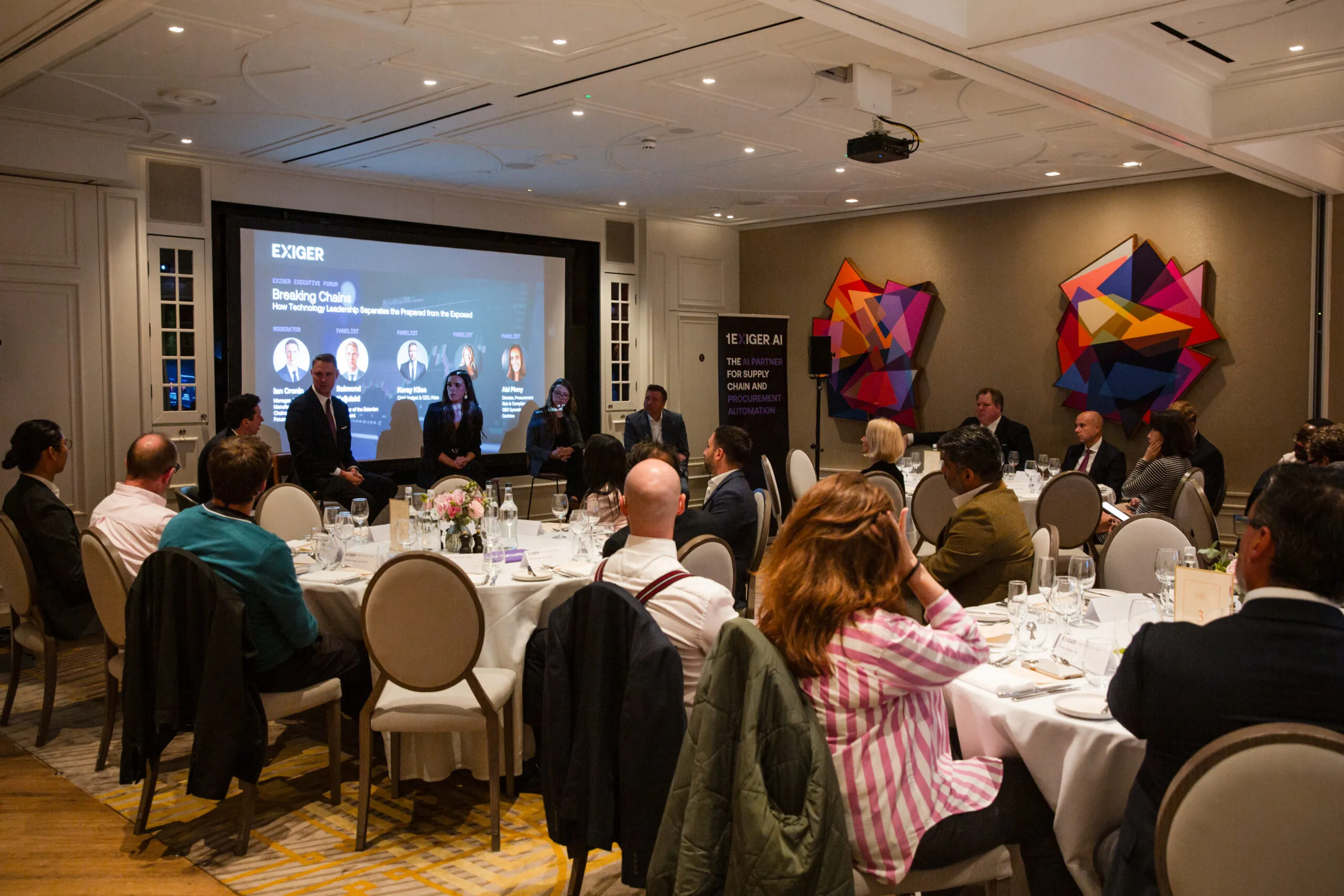
Breaking Chains: How Technology Leadership Separates the Prepared from the Exposed

Supply chain risk is no longer episodic. It compounds, accelerates, and shows up first in missed revenue, margin erosion, and customer failure, not in dashboards.

‍

If most organisations have supplier risk visibility and AI-enabled tools, why do some leaders protect revenue while others explain losses?

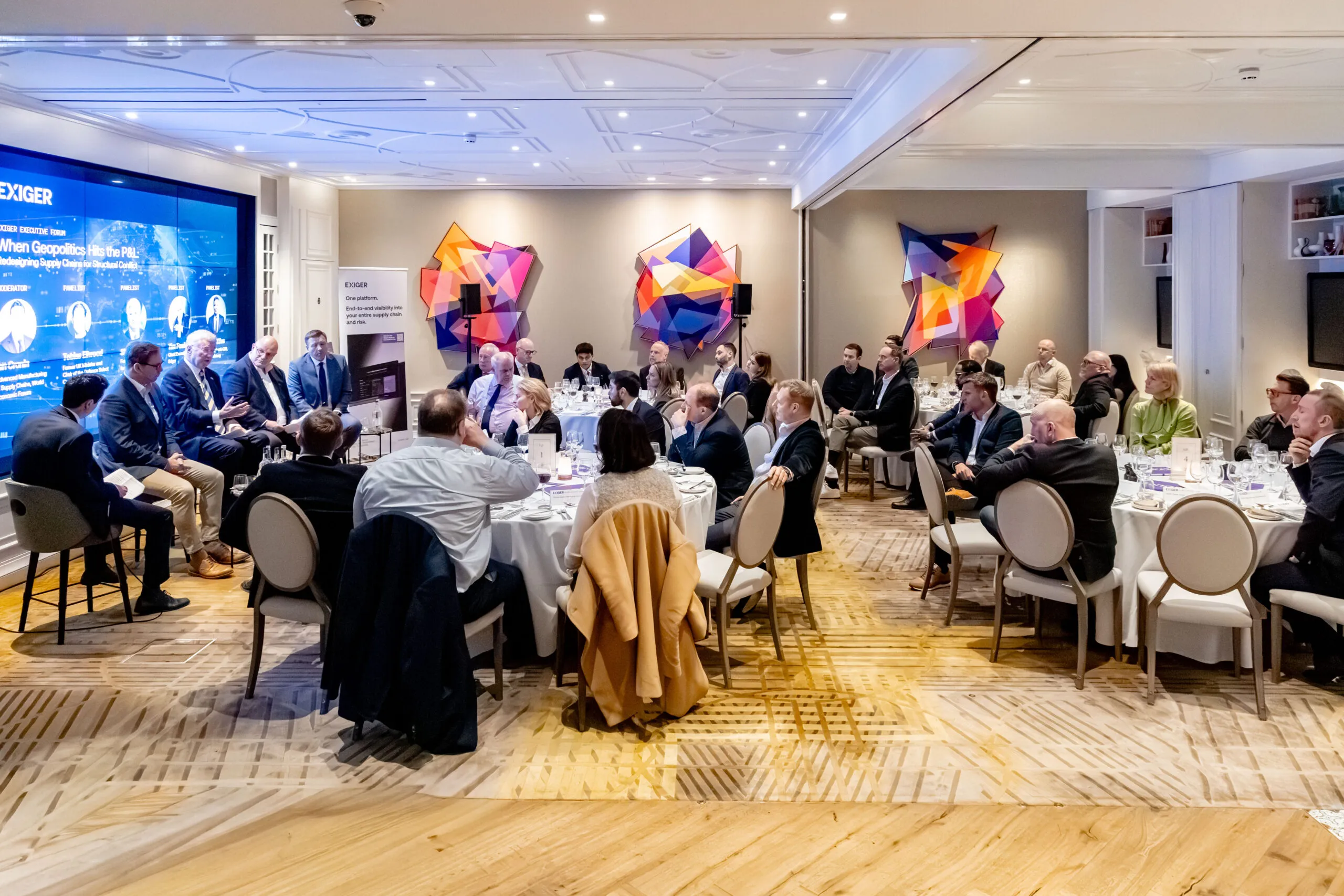
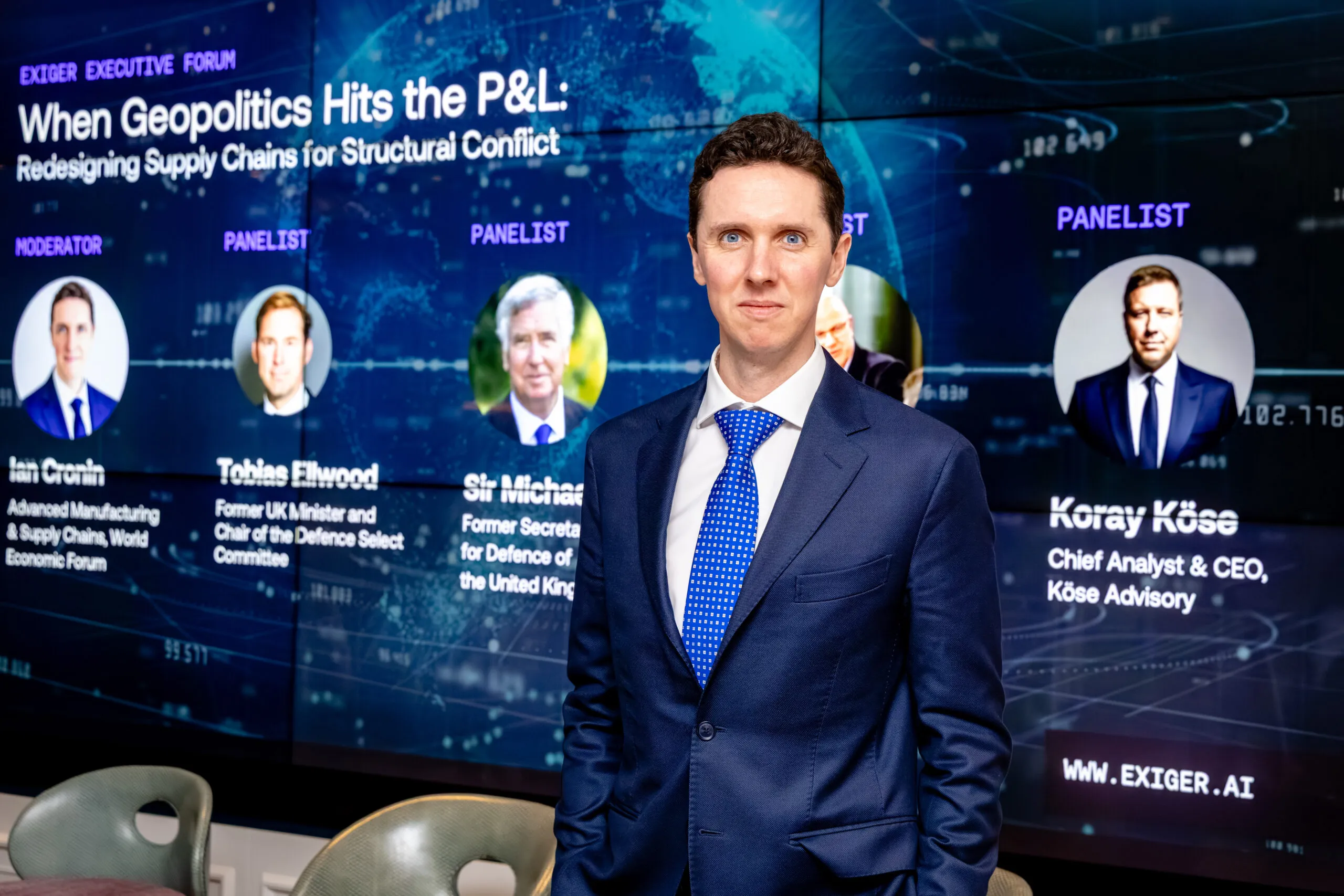
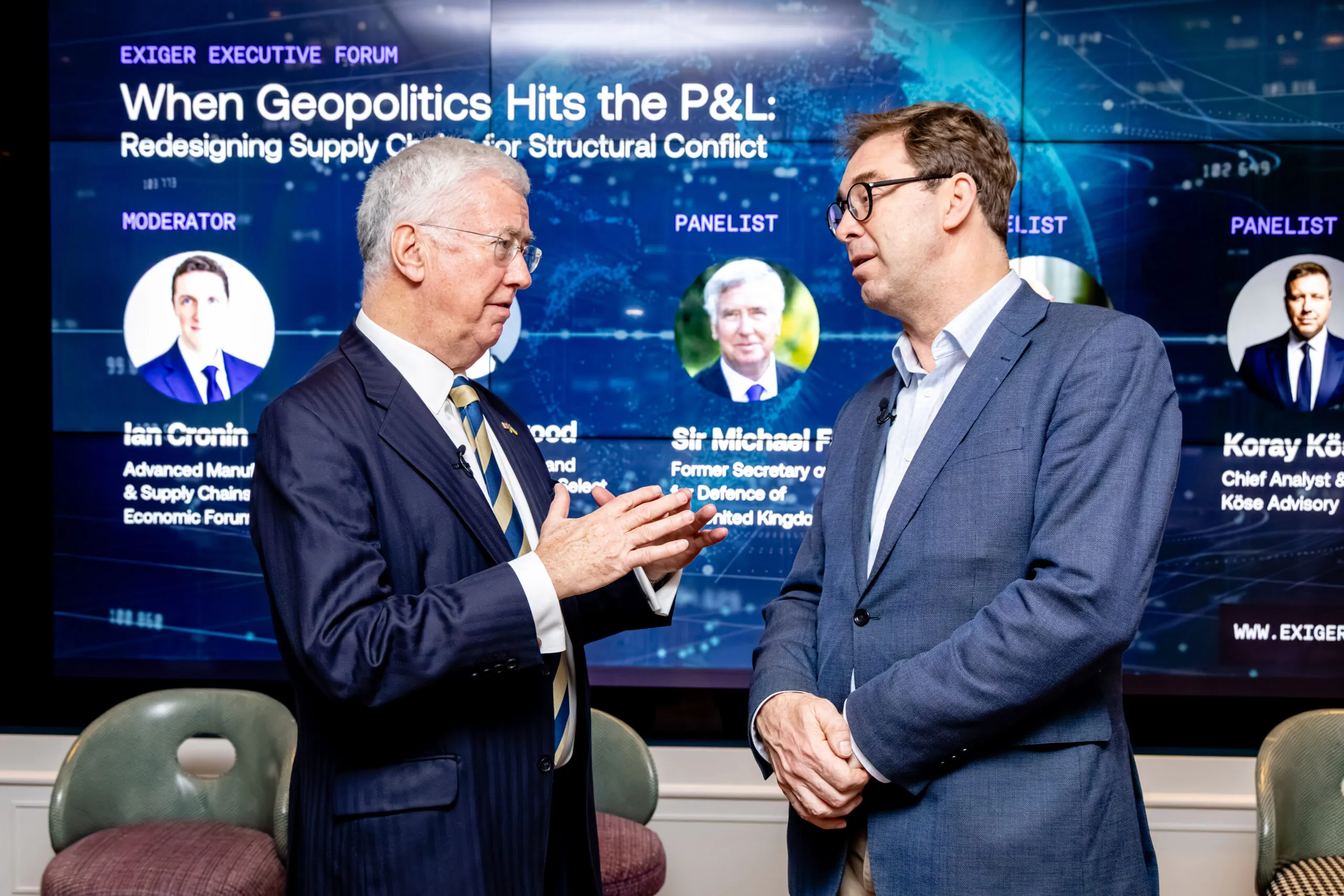
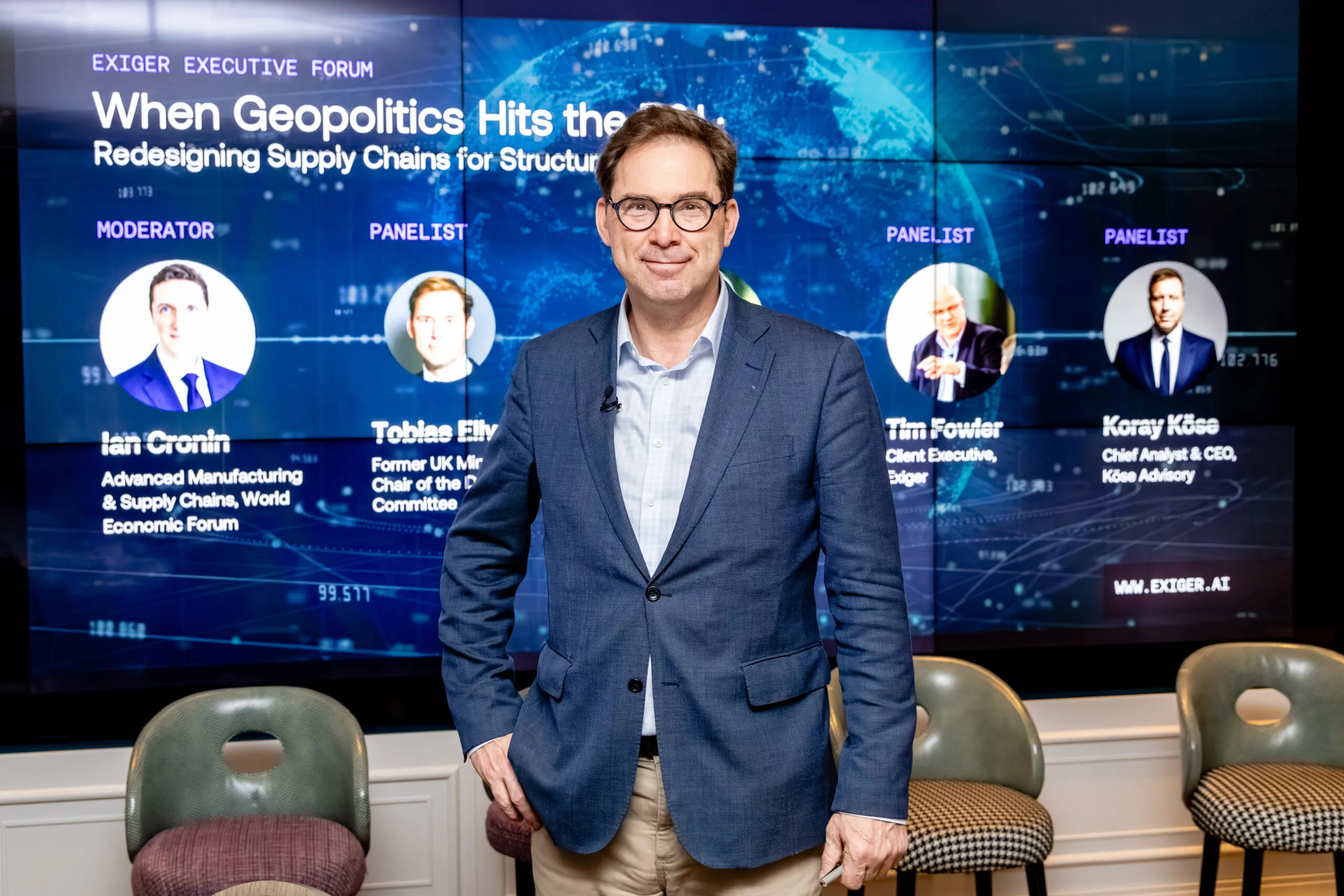
When Geopolitics Hits the P&L

Redesigning Supply Chains for Structural Conflict

‍

Geopolitical instability is no longer an external risk to monitor; it is a structural force shaping cost, availability, and reliability across global value chains. Sanctions, export controls, financial restrictions, and resource nationalism are now deployed with full awareness of their downstream commercial impact.

False Security

The Illusion of Control in Modern Day Value Chains

‍

Leaders challenged the assumption of control in modern value chains, exposing hidden systemic risks, regional dependencies, and governance blind spots, and explored how real resilience demands execution, not dashboards or visibility alone.

Wartime Economics

How Wartime Economics Will Reshape Our Supply Chains

‍

Leaders explored how Europe’s unprecedented defence spending and geopolitical shifts are reshaping supply networks, redefining critical suppliers, and forcing new sourcing, resilience, and readiness approaches for modern global supply chains.

Supply Chain Sovereignty

Winning the AI and Geopolitical Race for Resilience

‍

Leaders examined how geopolitical fragmentation, strategic dependencies, and shifting national policies are forcing enterprises to reassess supply chain sovereignty, balance resilience with risk exposure, and rethink global sourcing for strategic continuity.

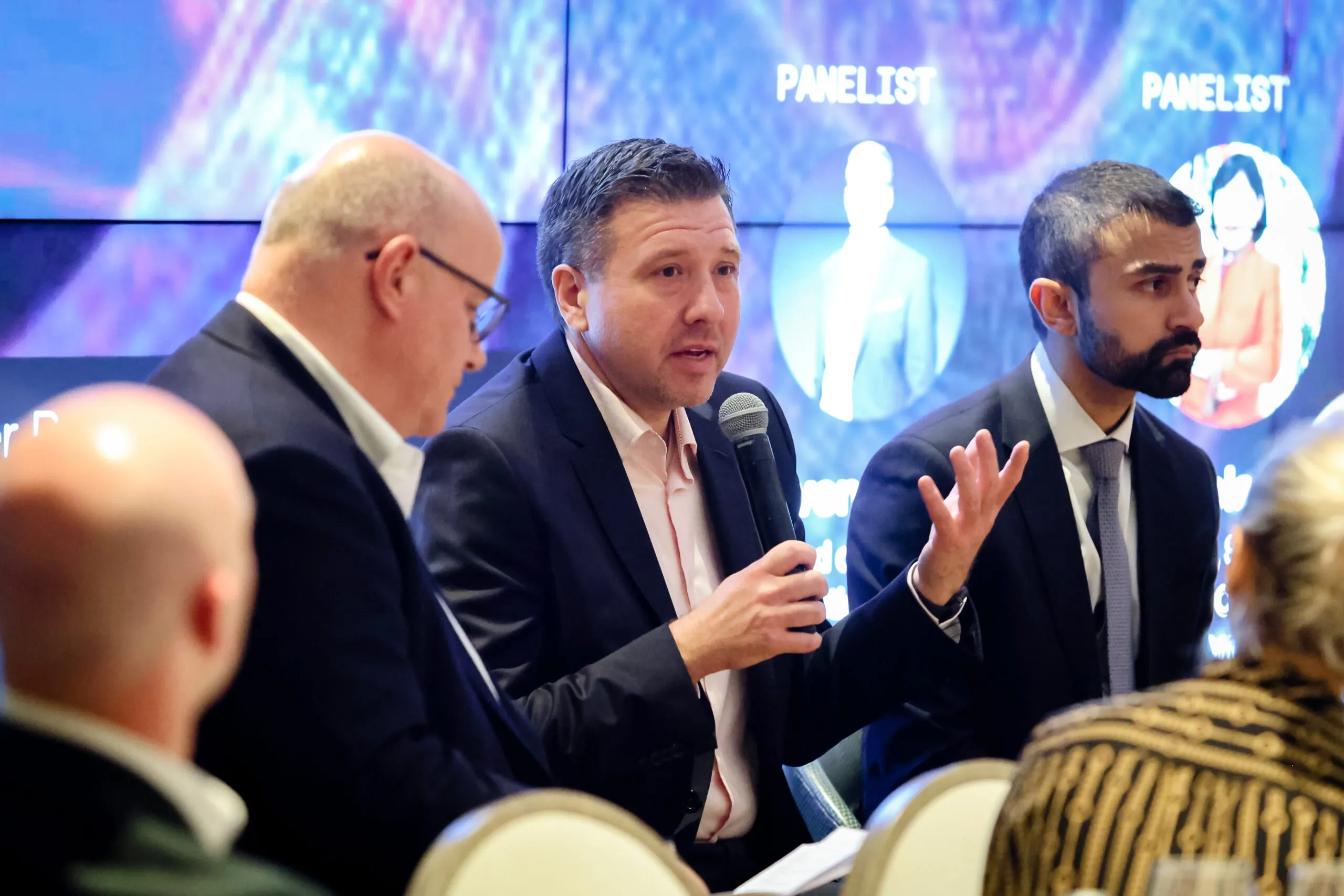
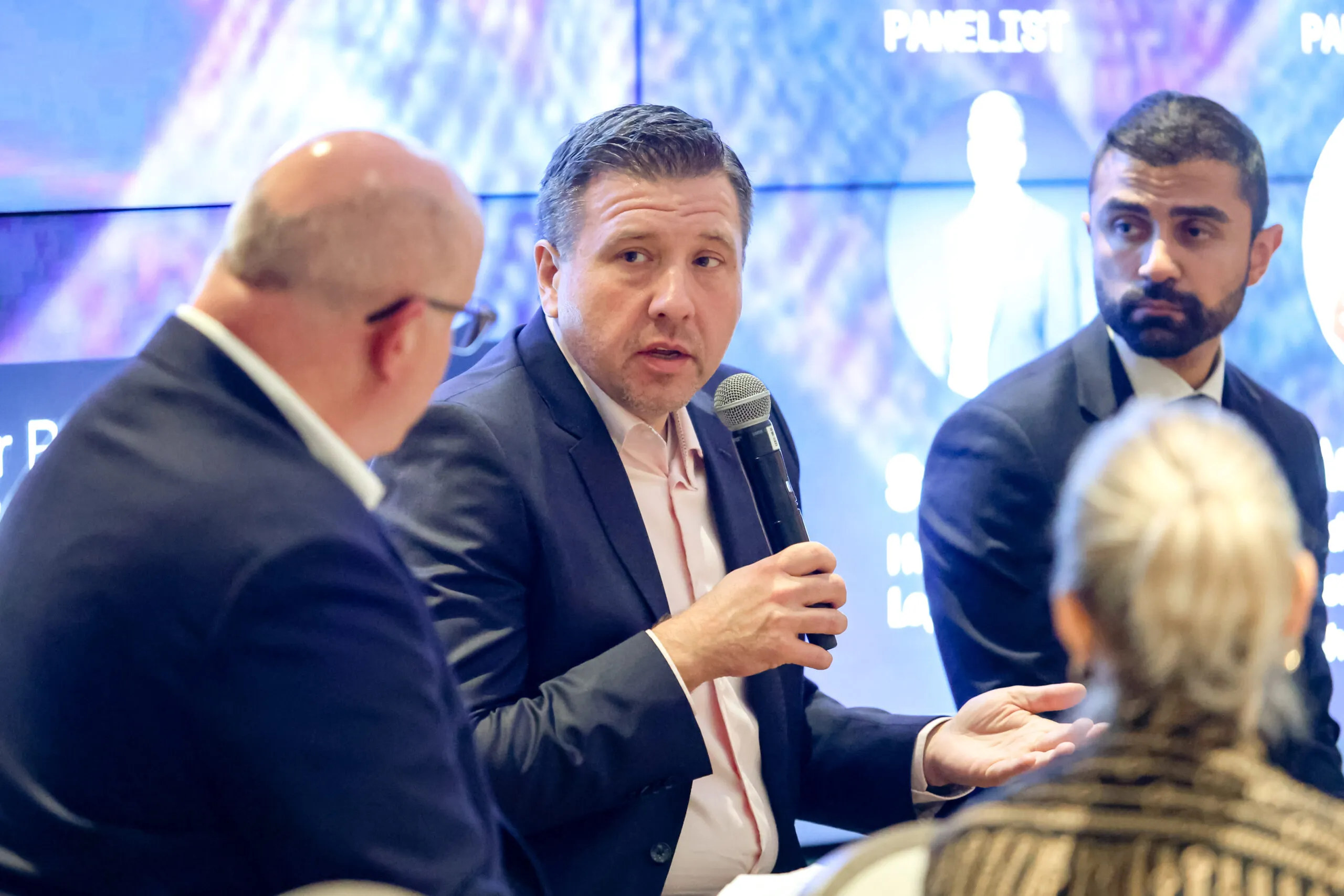
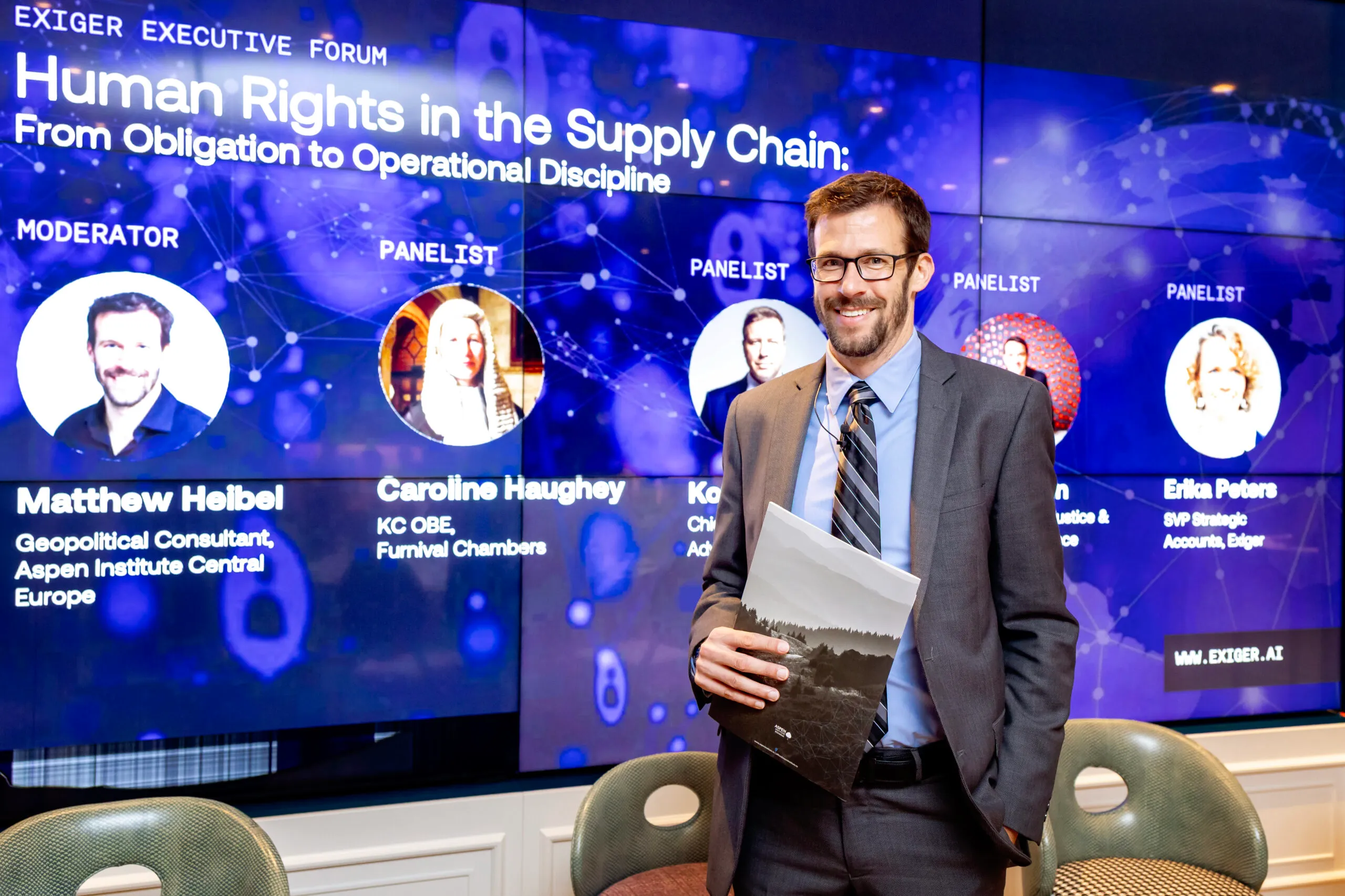
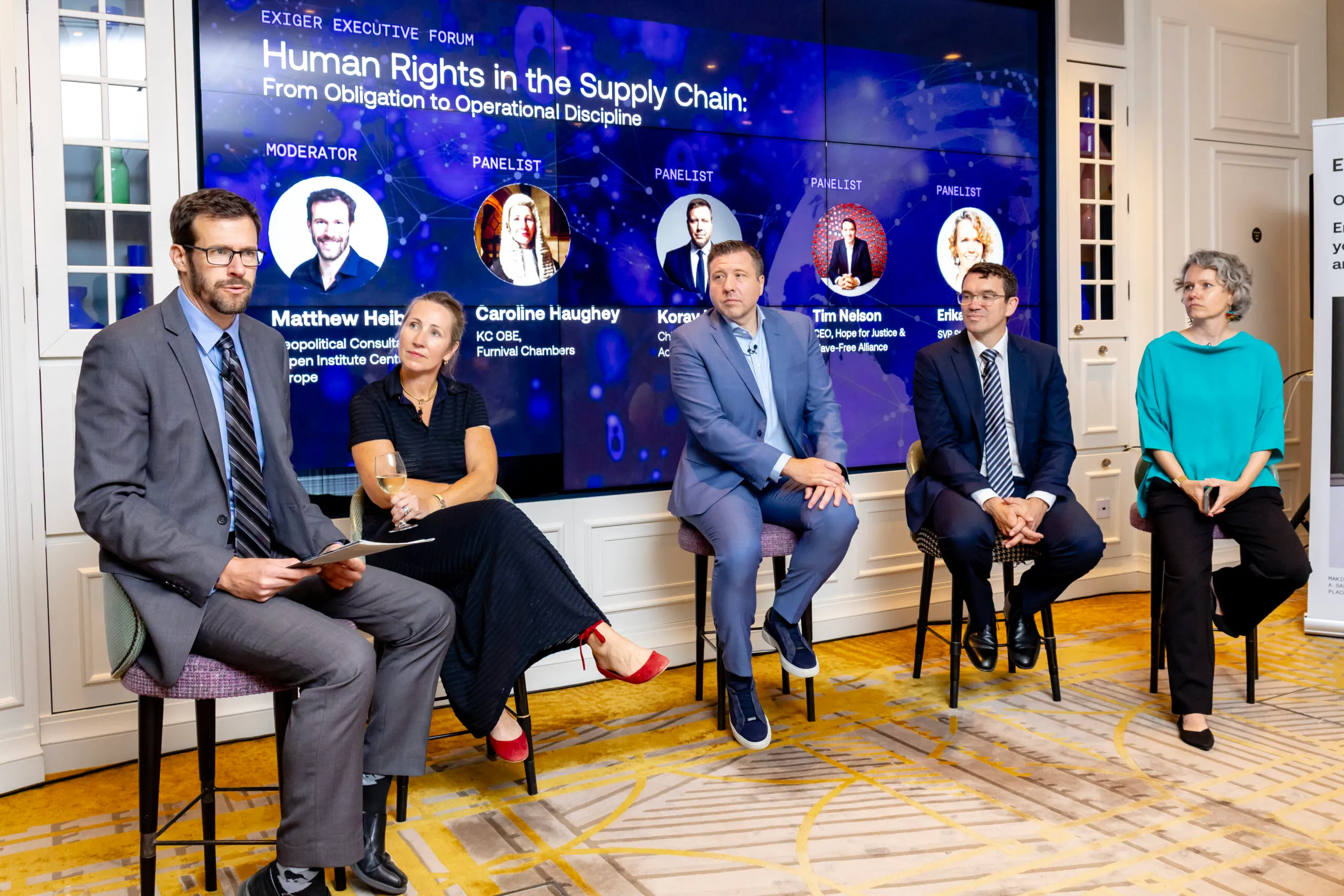
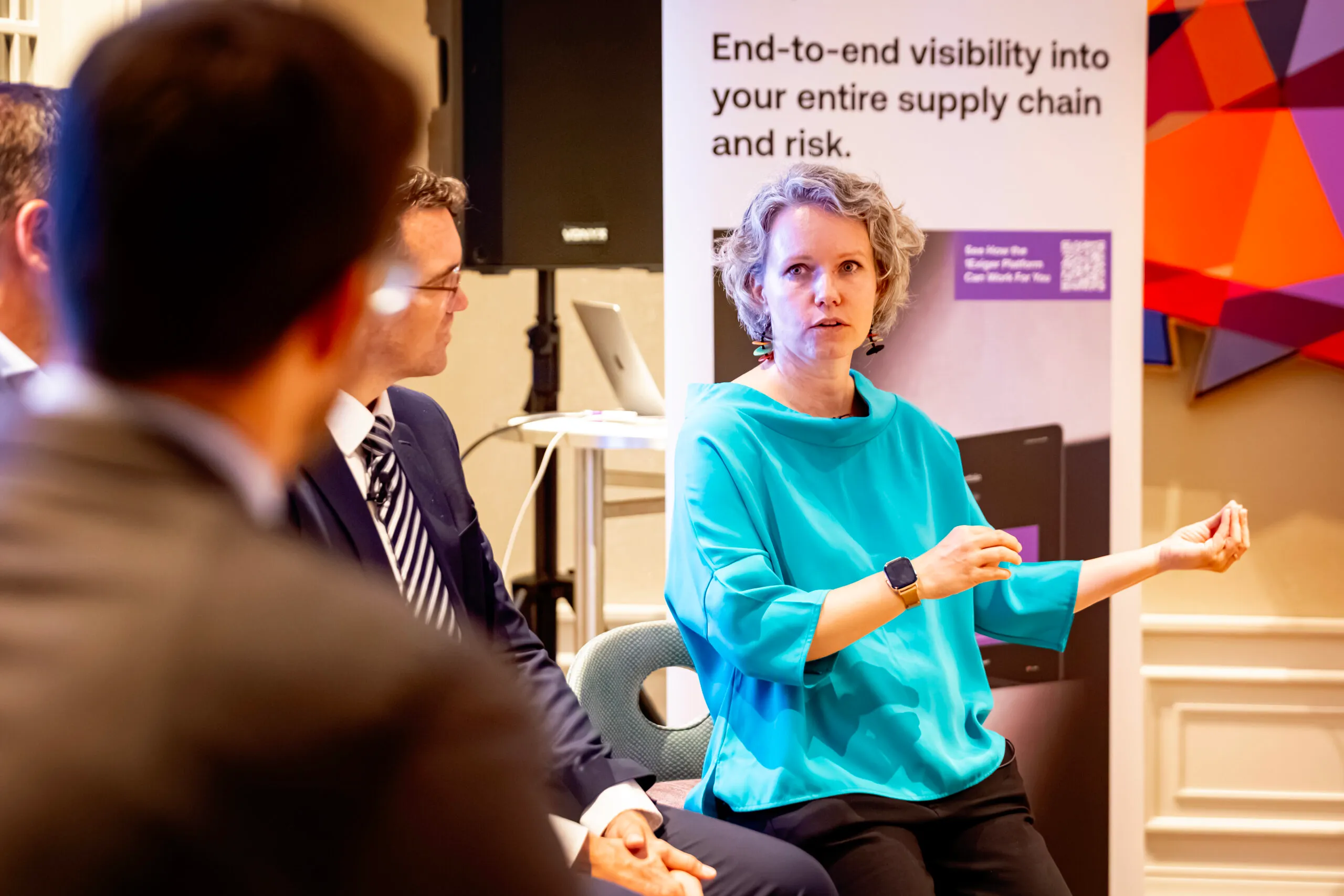
Human Rights in The Supply Chain

From Obligation to Operational Discipline

‍

Human rights risk is no longer a reputational issue, it is an operational, legal, and strategic one. As enforcement intensifies and regulatory regimes expand across jurisdictions, organisations are being held accountable not only for their direct suppliers, but for conditions deep within their supply chains.

Voices

Previous Panelists

Distinguished leaders who have shaped the conversation at previous forums

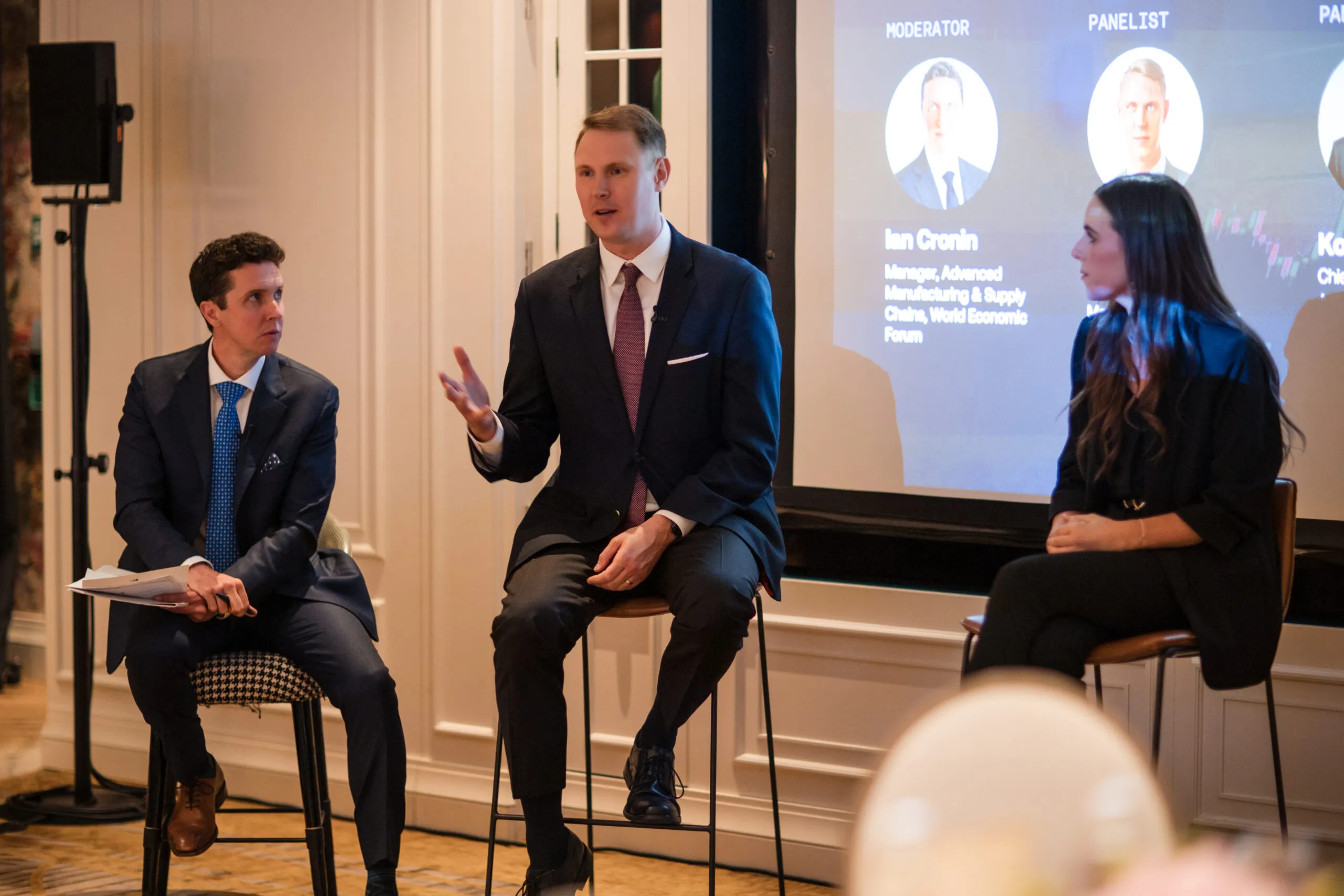
Ian Cronin
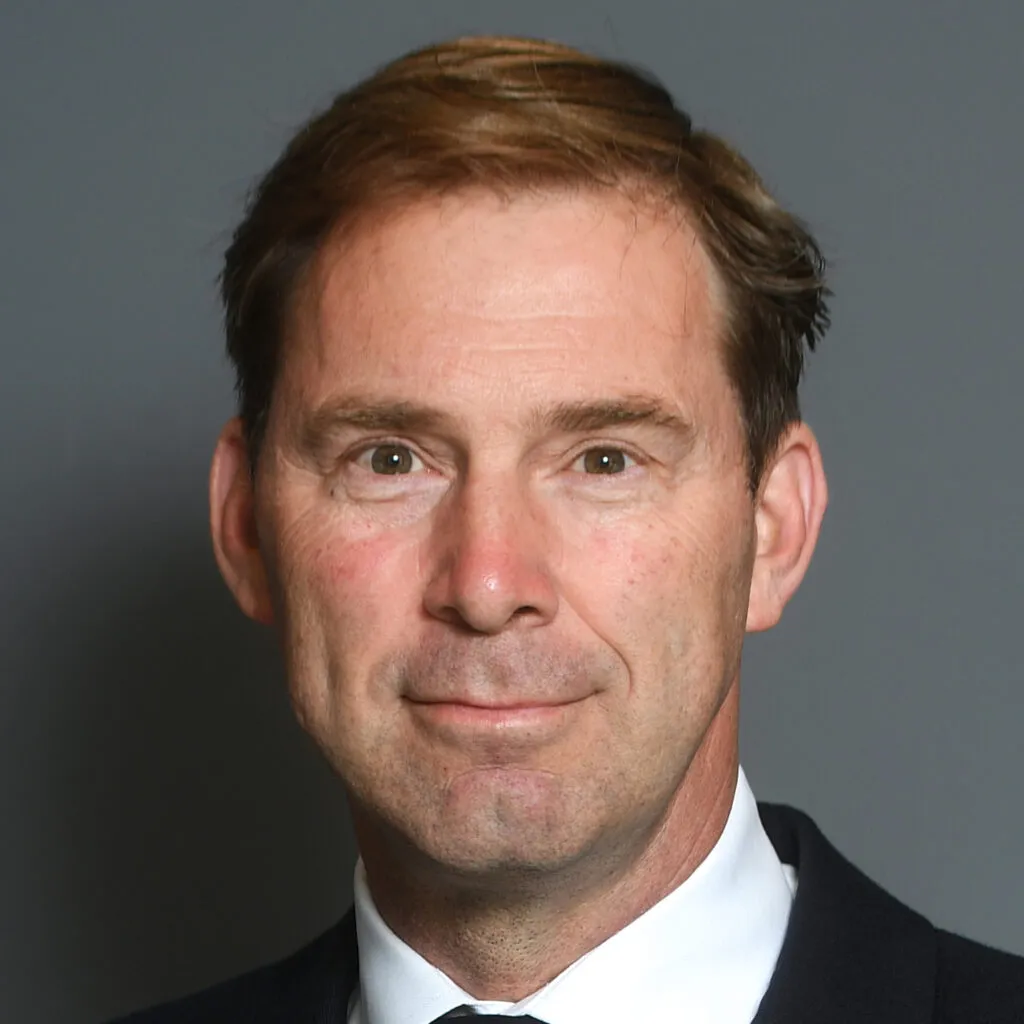
Ian Cronin

Manager, Advanced Manufacturing & Supply Chains, World Economic Forum
Tobias Ellwood

Tobias Ellwood

Former UK Minister and Chair of the Defence Select Committee
Sir Michael Fallon

Sir Michael Fallon

Former Secretary of State for Defence of the United Kingdom
Caroline Haughey

Caroline Haughey

OBE KC
Matthew Heibel

Matthew Heibel

Geopolitical Consultant, Aspen Institute Central Europe
Kaitlyn Huissen

Kaitlyn Huissen

Vice President of Supply Chain Intelligence, Exiger
Raimond Kaljulaid

Raimond Kaljulaid

Member of the Estonian Parliament
Koray Köse

Koray Köse

CEO and Chief Analyst, Köse Advisory & Senior Fellow, GlobSEC Geotech Centre & Board Member, Slave-Free Alliance
Scott LaFoy

Scott LaFoy

Vice President, Nuclear and Technology Security Programs, Exiger
Sven Markert

Sven Markert

Head of Supply Chain & Logistics Siemens Smart Infrastructure
Tim Nelson, Co-Chair and CEO, Hope for Justice and Slave-Free Alliance

Tim Nelson

Co-Chair & CEO, Hope for Justice & Slave-Free Alliance
Erika Peters

Erika Peters

Head of Customer Success & Strategic Accounts, Exiger
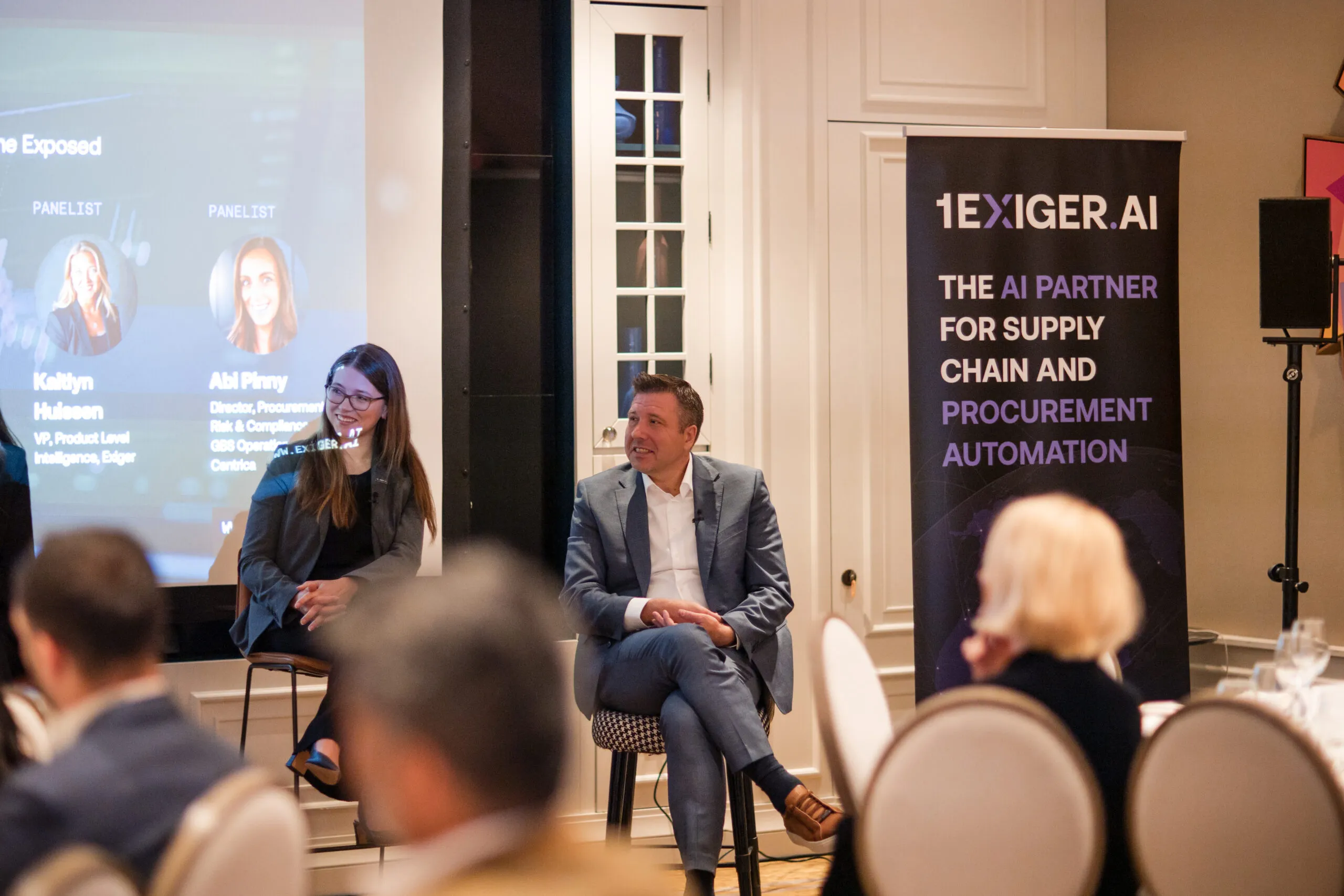
Abi Pinny

Abi Pinny

Director, Procurement Risk & Compliance, GBS Operations, Centrica
Angela Qu

Angela Qu
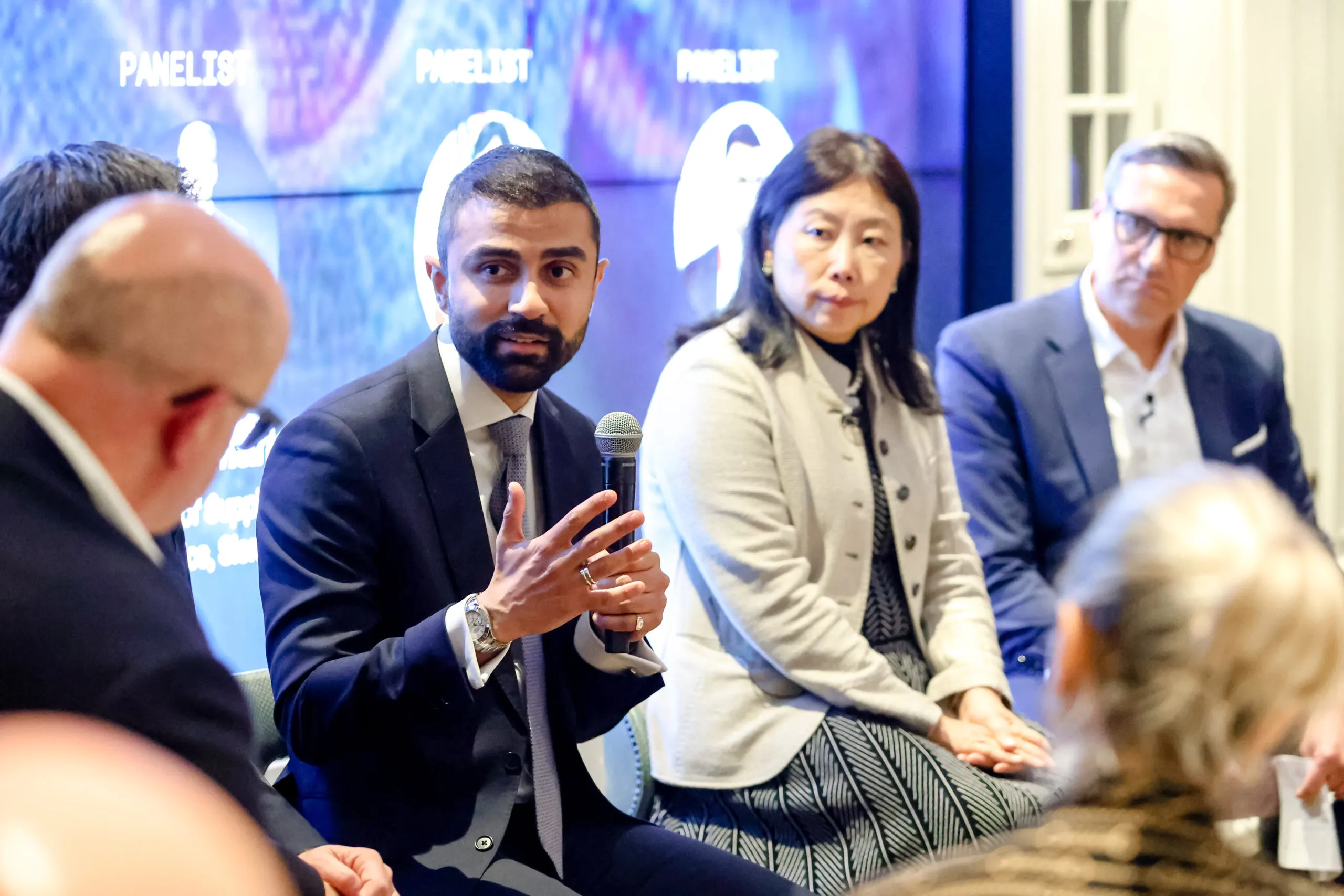
Advisor, Strategist and Former Chief Supply Chain Officer
Faysal Rahman

Faysal Rahman

Director, Corporate Coverage – Global Defence Coordinator, Deutsche Bank