Enterprises may have strong individual platforms, but the experience of buying something is fractured across dozens of functions, handoffs, and people per transaction. Supplier risk gets assessed at onboarding and periodic review, missing the changes that happen daily. And AI gets layered on top before the workflow underneath is wired together.
In this 60-minute on-demand webinar, leaders from Kyndryl, ORO Labs, and Exiger — spanning strategy and transformation, orchestration, and risk intelligence — walk through how to fix that sequence: an orchestration layer that creates a single guided buying experience, with third-party risk intelligence embedded at the point where a buyer selects a vendor. They cover where AI belongs in that workflow, where it does not, and what process work has to happen first.
Key themes covered during this session include:
- Map the buying experience before you buy another tool. Stand in the shoes of a business requester and map every step, every handoff, every approval — then look for a single front door that wires those steps together.
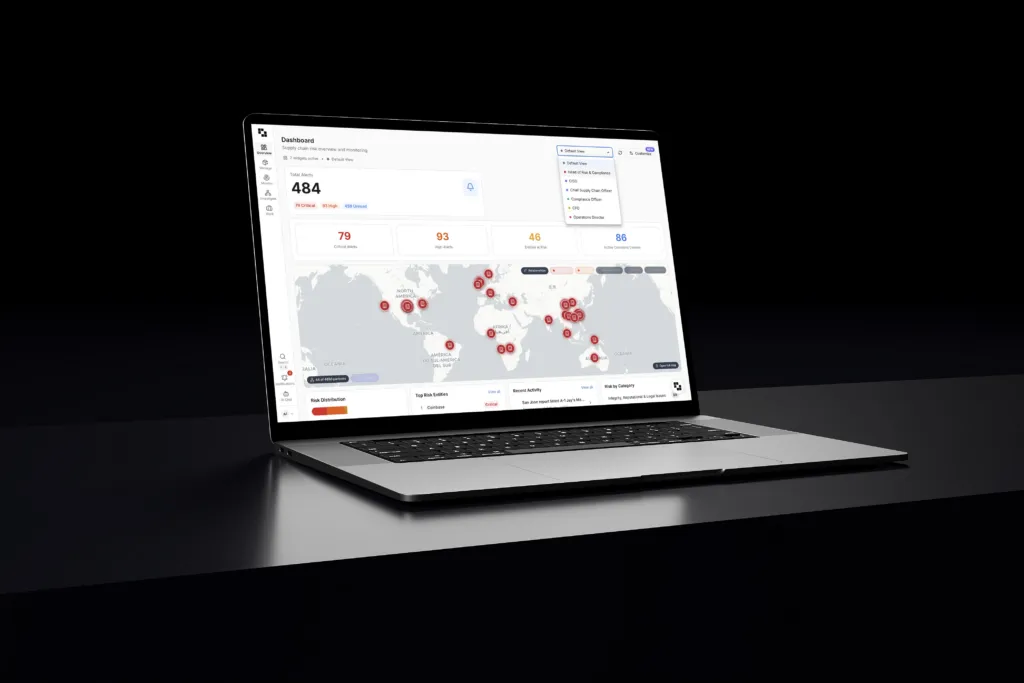
- Move risk assessments to the point of commitment. Periodic snapshots at onboarding miss changes that happen daily. Embed risk scorecards at the moment a buyer selects a vendor, route high-risk domains to the right SME automatically, and log every decision with its supporting evidence so the audit trail is built into the workflow.
- Reduce alerts by adding context, not by filtering signal. A risk alert is useful only when a buyer can tell whether it matters to this purchase. Connect each signal to the correct supplier relationship, add operational context, and make the next action clear — fewer, better-interpreted alerts instead of more noise for buyers to sort through.
- Sequence AI after the process work, not before. Build the risk controls, process engineering, data architecture, and orchestration first. Then identify AI candidates: repetitive, structured tasks where the outcome is bounded, the context is reliable, and the guardrails are clear.
- Pick one workflow, measure it, and iterate from there. Choose a single consequential process where the problem is repeated and measurable. Embed engineers alongside the mission owners who will use it every day. Validate continuously. Expand only after that one workflow is working.
Watch the full on-demand session to hear how Kyndryl, ORO Labs, and Exiger approached this transformation — the lessons learned, the iteration cadence that takes capabilities from requirement to production in days, and a roadmap for the next 12 to 18 months.