NOTE: Proposed changes to several EU regulations — including the CSDDD — are currently being considered by the European Commission; these could alter some of the information below. Once any changes are approved by the EC, we will update the relevant factual information in this article.
Nonetheless, taking steps now to identify and manage any related regulatory risks is a good business strategy to fortify supply chains against future shocks.
On March 15, EU member states voted in favor of adopting a landmark new legislative act requiring companies to assess their third parties including supply chains for environmental and labor practices.
Where countries like Germany and France already have regulations in place that align to the spirit of this directive, the EU Corporate Sustainability Due Diligence Directive (CSDDD) now requires all 27 EU member states to do the same.
Despite being watered down from the proposal in December 2023, the CSDDD still creates a legal liability for damages if an EU company fails to prevent human rights and environmental harm in its own or its subsidiaries’ operations, products, or services or throughout its value chains.
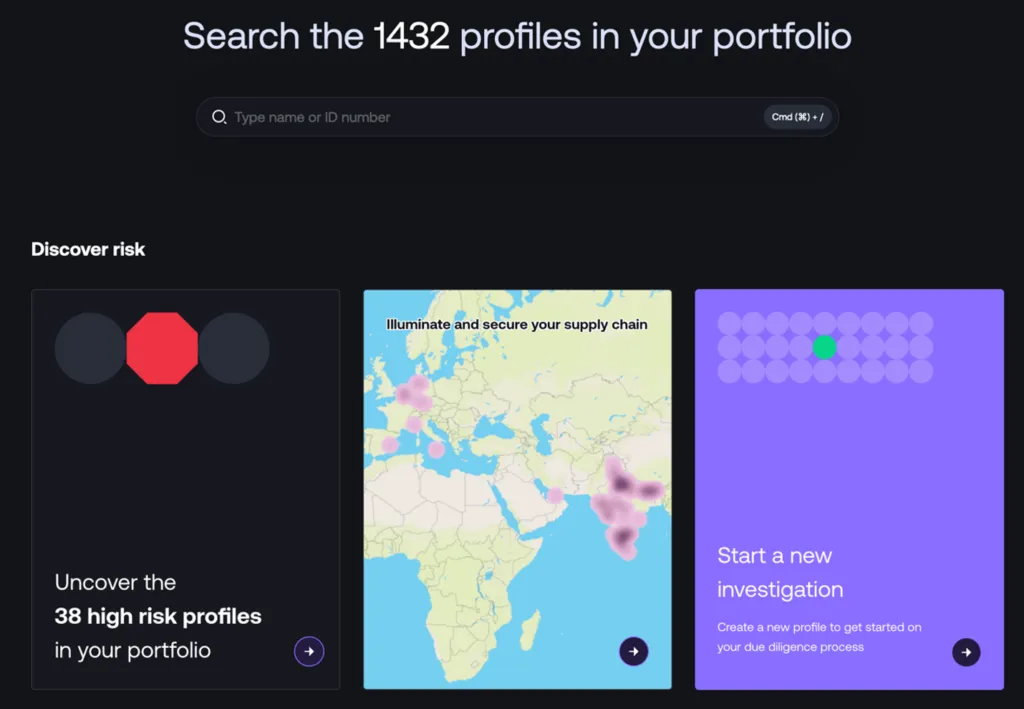
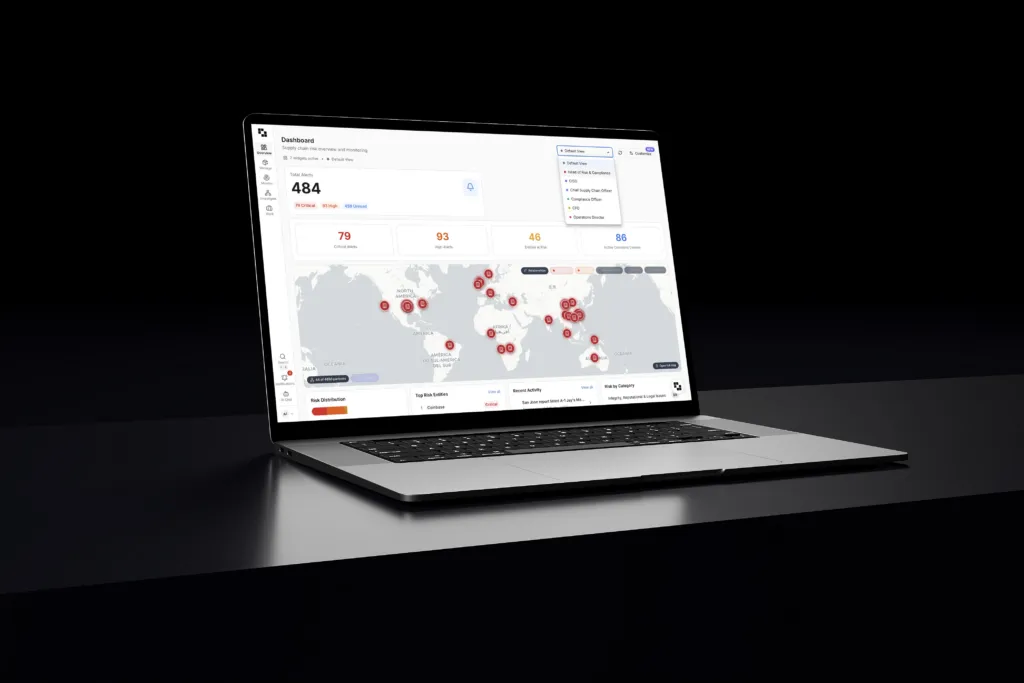
Exiger’s third-party and supply chain risk management technology has been assisting customers across the globe to meet similar requirements and now is helping customers directly map the new requirements to our platform to keep them ahead of the directive and cascading laws.
Background on the CSDDD
The CSDDD establishes a corporate due diligence standard on sustainability issues for businesses operating in the EU, which each member country will need to set into law to meet the goals stipulated in the directive.
In the directive, sustainability most directly applies to environmental concerns, climate change, and human rights. A critical part of the directive is the due diligence requirements which apply not only to the direct actions of the company, but also to their subsidiaries and supply chain. EU-based companies, as well as non-EU companies that conduct a set level of EU business that matches the amounts below, could become liable for the actions of their suppliers.
Who Is Impacted?
The CSDDD will be phased in over a longer period and directly impact companies who fit the below description.
- Companies with 5,000 employees and €1,500 million turnover will be impacted in 3 years.
- Companies with 3,000 employees and €900 million turnover will be impacted in 4 years.
- Companies with 1,000 employees and €450 million turnover will be impacted in 5 years.
Supplier Tip: The extraterritorial nature of the directive will cause a domino effect across the globe. Impacted companies will pressure their suppliers to provide them with the same policies to prevent human rights and environmental harm in their own operations, products, or services they are selling to their customers.
How Exiger Technology Supports CSDDD Compliance
The CSDDD draws heavily from the OECD due diligence guidance and scope covered in similar regulations, like the Germany Supply Chain Act. The 1Exiger platform is designed to comply with these regulations, including must-have controls and monitoring capabilities.
- Exiger’s third-party risk management module is configurable to individual company policies and procedures to create a risk-based process driven by criticality and entity type.
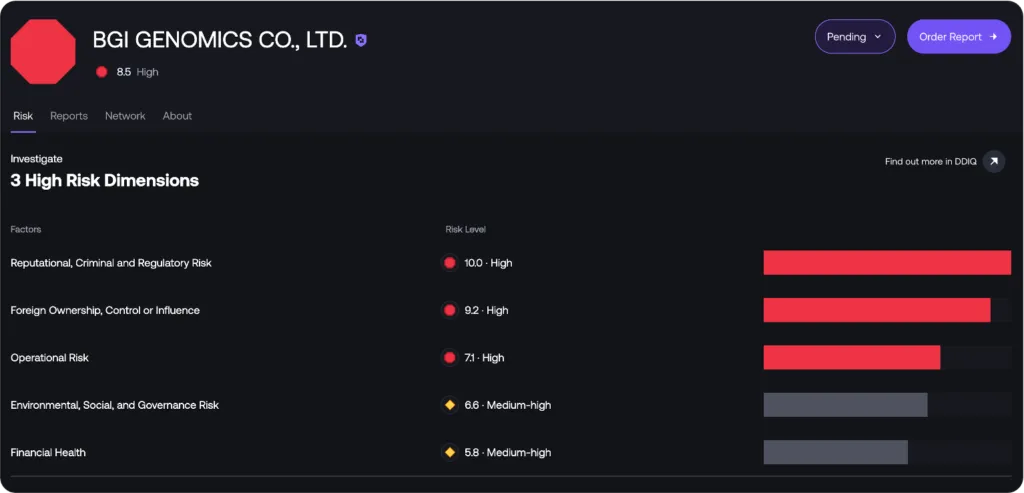
- Due diligence focused on the sustainability scope is fully automated, leveraging artificial intelligence combined with natural language processing to rapidly assess adverse impacts identified within the target company corporate structure as well as their value chains.
- Monitoring the web and changes to risk indicators is a must-have control to ensure relevant stakeholders are in the know as soon as a noteworthy event occurs, moving risk to an unacceptable threshold requiring review, mitigation, and approval. Monitoring can be set to a daily, weekly, or monthly frequency.
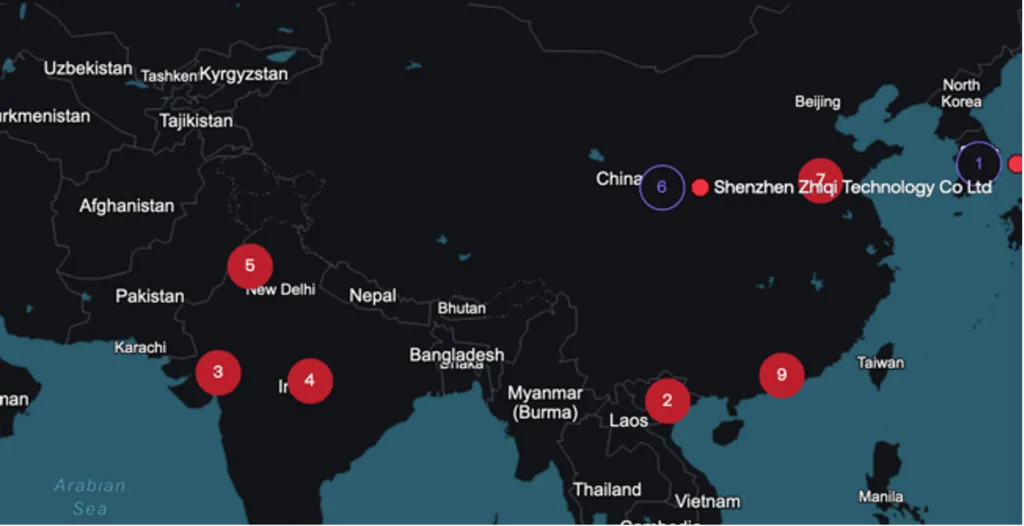
- Exiger’s supplier network and item-level validation solutions are imperative to meeting the supply chain due diligence requirements of this directive. Exiger’s capability provides end-to-end environmental and human rights risk profiles for reporting, risk management, and mitigation strategies, as well as many other benefits beyond this use case.
Contact us to learn more about how Exiger’s software can help your company comply with the CSDDD.